
Australia’s National Disability Insurance Scheme represents a fundamental shift in how disability support services are funded and chosen. For the first time, participants and their families have genuine choice in selecting their service providers — and that choice is increasingly informed by what they find online. When a participant or their support coordinator searches for an NDIS provider in their area, the providers who appear in Google with professional, trustworthy, clearly navigated websites receive the vast majority of enquiries.
NDIS website design is a specialist discipline. It is not enough to have a generic small business website with ‘NDIS’ mentioned on the homepage. An effective NDIS provider website must communicate the right information to the right audiences — participants, families, support coordinators, and LACs — in a format that is accessible, compliant with NDIS Practice Standards communication expectations, and clearly demonstrates the human values and professional credentials that build trust in the disability services sector.
Mind Magic Technology builds professional NDIS website designs for registered providers, unregistered providers, and businesses entering the NDIS space for the first time — across every support category and every Australian state and territory.
1. Why NDIS Providers Need a Professional Website
Participants and Families Search Google First
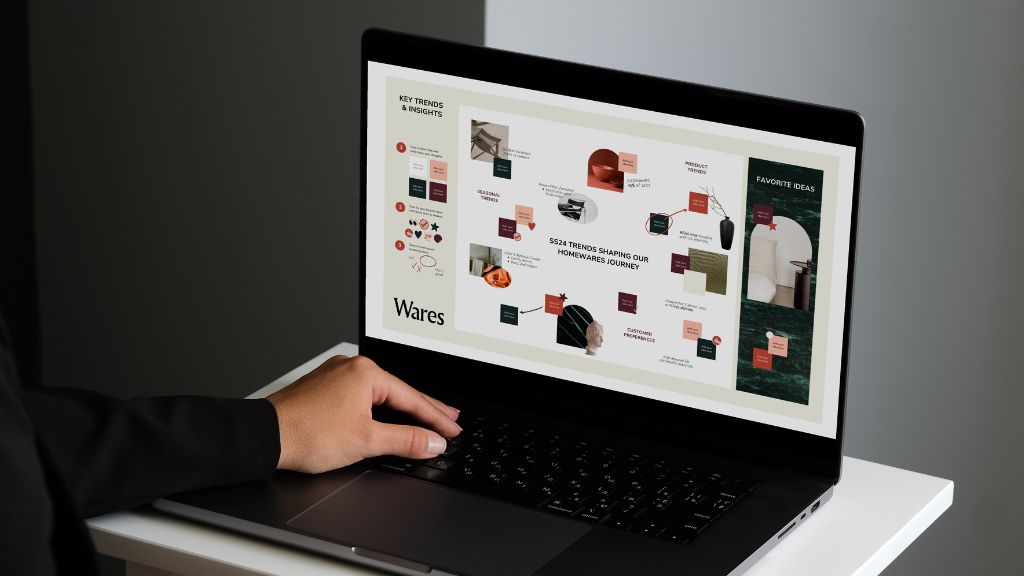
The NDIS price guide and the myplace portal provide participant access to funding, but they do not help participants find and evaluate providers. That research happens on Google. A participant in Bankstown looking for a support worker, a family in Geelong searching for plan management, or a support coordinator in Brisbane finding a behaviour support practitioner — all of these searches start on Google, and the providers who appear with professional websites receive the calls and emails that result.
Support Coordinators Are Your Most Valuable Referral Source
Support coordinators manage the NDIS plans of multiple participants and make provider recommendations constantly. A professional, clearly organized website that helps a support coordinator quickly understand your services, your support categories, your locations, your registration status, and your contact details makes you significantly more referrable. Many support coordinators pre-screen providers online before recommending them to participants — and a poor or absent website removes you from consideration entirely.
The NDIS Market Is Growing and Becoming More Competitive
The number of registered and unregistered NDIS providers has grown dramatically since the scheme’s full rollout. In every metro and regional area, participants now have genuine choices between competing providers. The providers who communicate their point of difference most clearly and professionally online are consistently winning more participants — regardless of whether their services are inherently better than competitors.
Participant Trust Requires Professional Communication
The disability support sector operates on a foundation of trust. Participants and their families are making choices about who will enter their homes, support their daily activities, and work with some of the most vulnerable people in the community. A professional, well-designed website that communicates your values, your team’s qualifications, your NDIS registration status, and your genuine commitment to participant wellbeing is not just a marketing tool — it is an essential component of establishing the trust that brings participants to your door.
2. What an NDIS Provider Website Must Include
NDIS Registration Status and Support Categories
Clearly state whether you are a registered or unregistered NDIS provider, your NDIS provider number where applicable, and the specific support categories you deliver services under — Daily Activities (01), Social and Community Participation (04), Improved Living Arrangements (03), Support Coordination (07), or any other relevant categories. This information is critical for participants and support coordinators evaluating whether your services match a participant’s funded supports.
Service Area Coverage — State and Suburb Level
NDIS participants need to know immediately whether you service their location. Display your service area prominently — by state, by metro area, and ideally by specific suburbs for metro providers. If you offer in-home support, community access, or SIL (Supported Independent Living) services, specify which geographic areas you cover with capacity.
Accessible Design — WCAG 2.1 Compliance
An NDIS provider website that is not accessible to people with disabilities is a fundamental contradiction. Mind Magic Technology builds NDIS websites with accessibility as a core design principle — appropriate colour contrast ratios, alt text on all images, keyboard navigation compatibility, readable font sizes, clear heading structures, and compatibility with screen readers. These are not optional enhancements; they are the ethical and practical baseline for any provider in the disability sector.
Meet the Team Section
In the NDIS sector, participants are not choosing a faceless company — they are choosing the people who will support them. A Meet the Team section with photos, names, qualifications, and brief personal bios for your support workers and management team humanises your organisation and builds the personal connection that drives enquiries. Support workers who share relevant personal values or lived experience can be highlighted in ways that resonate with specific participant communities.
Clear Referral and Enquiry Pathways
Your website must make it easy for three different types of visitors to take action: participants wanting to self-refer, families enquiring on behalf of a loved one, and support coordinators making a provider referral. Each pathway has different information needs and different preferred contact methods. Mind Magic Technology designs NDIS websites with separate, clear pathways for each visitor type — reducing friction and increasing the number of referrals and enquiries your website generates.
Testimonials and Participant Stories
With appropriate participant consent and privacy protections, testimonials and anonymised participant success stories are extraordinarily powerful on NDIS provider websites. They communicate the real-world impact of your services in human terms that resonate far more deeply than any description of your service categories. Mind Magic Technology helps NDIS providers present this content in a format that is both compelling and privacy-compliant.
3. NDIS Support Categories — Services We Build Websites For
- Support Coordination and Specialist Support Coordination — Cat 07
- Daily Activities and Personal Care — Cat 01 (in-home support, community access)
- Social and Community Participation — Cat 04
- Supported Independent Living (SIL) — shared and individual living options
- Plan Management — financial intermediary services
- Therapeutic Supports — OT, speech pathology, behaviour support, physiotherapy — Cat 15
- Improved Living Arrangements — Cat 03 (housing and accommodation support)
- Transport — Cat 02 (NDIS-funded transport providers)
- Assistive Technology — Cat 05 (AT suppliers and assessors)
- Early Childhood Supports — Cat 09 (early intervention providers)
4. On-Page SEO Checklist for NDIS Provider Websites
- Meta Title: ‘NDIS [Service Type] Provider [City/State] | [Business Name] | Accepting Participants’
- Meta Description: NDIS registration status, support categories, location, referral call to action
- H1: ‘Registered NDIS Provider in [City] — [Key Support Category] Services’
- NDIS Provider Number: Displayed clearly on homepage for registered providers
- Support Category Pages: Individual pages for each support category delivered
- Location Pages: State and suburb-level pages for geographic search coverage
- Accessibility: WCAG 2.1 AA compliance — colour contrast, alt text, keyboard nav
- LocalBusiness + HealthAndBeautyBusiness Schema: Provider type, location, services
- Google Business Profile: NDIS provider category, service area, accessibility features noted
- Referral Form: Separate form for support coordinator referrals vs participant self-referral
- Privacy Policy: NDIS-compliant privacy statement clearly accessible from all pages
- PageSpeed: 85+ — participants using assistive devices often on slower connections
5. Image Alt Tags — 4 Optimized Examples
Alt Tag 1
“NDIS website design Australia for registered disability support providers by Mind Magic Technology”
Alt Tag 2
“Professional accessible NDIS provider website designed to attract participants and support coordinators”
Alt Tag 3
“NDIS support services website design showing participant-focused layout and contact options”
Alt Tag 4
“Mind Magic Technology building compliant NDIS website for Australian disability service provider”
Get Your NDIS Provider Website Built — Free Consultation
Email: contact@mindmagictech.in
Website: https://mindmagictech.in
Tell us your NDIS support categories, your location, and your registration status. We will build you a professional, accessible, SEO-optimized NDIS provider website that attracts participants and support coordinator referrals — with sensitivity to the values and communication standards your sector requires.